Jardinería hidropónica

  • Published
  • Updated
Book covers of recommended hydroponic gardening books

El nombre hidroponía, que designa la práctica de cultivar plantas utilizando únicamente agua, nutrientes y un sustrato —es decir, sin tierra—, fue acuñado en 1937 por los científicos de la Universidad de California en Berkeley, Dr. William Setchell y Dr. William Gericke. El nombre deriva de hidro, la palabra griega para agua, y ponos, la palabra griega para labor. Sin embargo, la técnica es mucho más antigua que el nombre, ya que los Jardines Colgantes de Babilonia (ca. 562 a. C.), una de las Siete Maravillas del Mundo Antiguo, aparentemente la empleaban. Los aztecas y los antiguos chinos también desarrollaron métodos de cultivo hidropónico de forma independiente.

Las ventajas citadas del cultivo de plantas sin suelo mediante técnicas hidropónicas son, sinceramente, incontables. Entre ellas se encuentran mayores rendimientos, tiempos de crecimiento mucho más rápidos, tecnología más holística, mayor calidad de los productos, menores costos operativos, menor espaciamiento entre plantas, ausencia de tierra y malezas, mejor control de enfermedades e incluso la posibilidad de cultivar alimentos durante viajes espaciales. ¡No hay mejor momento que ahora para aprender una nueva técnica para cultivar alimentos saludables y nutritivos en la comodidad de nuestros hogares! ¡Información que cualquiera de los siguientes libros le proporcionará! Incluye un libro infantil.

Recomendaciones de jardinería hidropónica


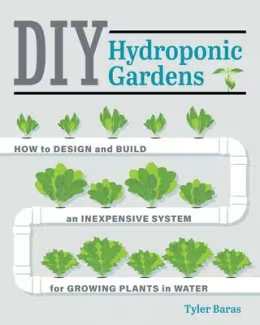
Cover image for DIY Hydroponic Gardens

DIY Hydroponic Gardens

Author Tyler Baras provides photographic step-by-step instructions for how to create, plant and maintain more than a dozen hydroponic systems. The book includes recipes for nutrient solutions and light and ventilation options. The author has a BS in Horticultural Sciences from the University of Florida, and has managed hydroponic farms throughout the United States.

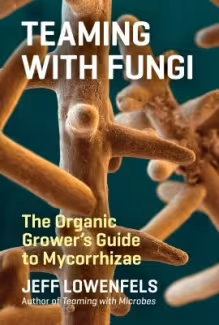
Cover image for Teaming With Fungi: The Organic Grower's Guide to Mycorrhizae

Teaming With Fungi: The Organic Grower's Guide to Mycorrhizae

Anchorage, Alaska garden writer Jeff Lowenfels provides an introduction to the science of fungi, and the importance of fungi in horticulture, including hydroponics. A back cover note lists improved drought tolerance, resistance to disease and increased fruiting as the benefits of mycorrhizal fungi for plant performance. The book won the Garden Writers of America Gold Award in 2011.

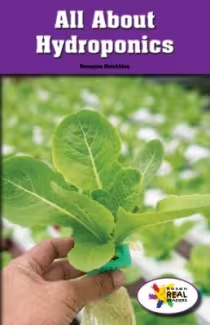
Cover image for All About Hydroponics

All About Hydroponics

Part of the Rosen REAL Readers series for children ages 6-7 years, this book provides basic information on concepts of hydroponics. The book is only 12 pages long, and could perhaps be combined with one of the other available ebooks for learning for both children and adults at the same time.

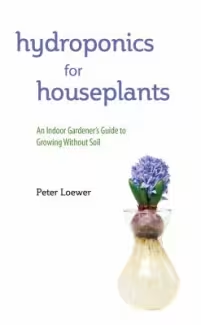
Cover image for Hydroponics for Houseplants

Hydroponics for Houseplants

The back cover blurb for this book promises, “This book is the answer to anyone who has ever shied away from growing houseplants because of messy dirt or fear of brown, dying leaves if left for a few days without water.” Hydroponics enthusiast Loewer wrote and illustrated this basic guide.

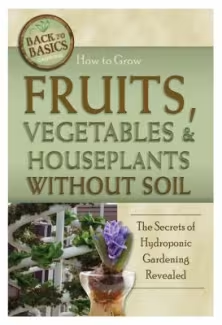
Cover image for How to Grow Fruits, Vegetables & Houseplants Without Soil

How to Grow Fruits, Vegetables & Houseplants Without Soil

The back cover blurb for this book calls it “heavily researched” and says that it features “a multitude of interviews with scientists, hobbyists and greenhouse-savvy experts.” Included are separate chapters on systems, growing media, nutrient solutions and environmental controls, as well as instructions on setting up your own system.

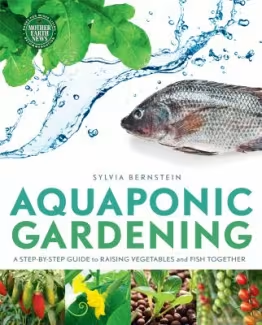
Cover image for Aquaponic Gardening

Aquaponic Gardening

Author Sylvia Bernstein explains that aquaponics is “the cultivation of fish and plants together in a constructed, recirculating ecosystem utilizing natural bacterial cycles to convert fish waste to plant nutrients.” The book is divided into sections on the plan, the hardware (grow beds, water, etc.), the software (fish and plants, etc.), and operation.