Niños del siglo XXI: amabilidad y empatía

  • Published
  • Updated
Smiling, diverse kids walking side by side in a grassy playground

La amabilidad implica acción, intención y empatía hacia otra persona. Sobre todo, el deseo de ser amable con los demás es, en esencia, un comportamiento aprendido. Los niños aprenden a ser amables al estar expuestos a personas que muestran un comportamiento amable. Por lo tanto, los padres y cuidadores que desean que los niños adopten la amabilidad como un rasgo de carácter deben fomentar este comportamiento con sus propias acciones.

Amabilidad

La amabilidad sube a un autobús
La amabilidad se mantiene de pie para que puedas sentarte.
La amabilidad desenvuelve un sándwich y te da la mitad más grande. —Irene Latham
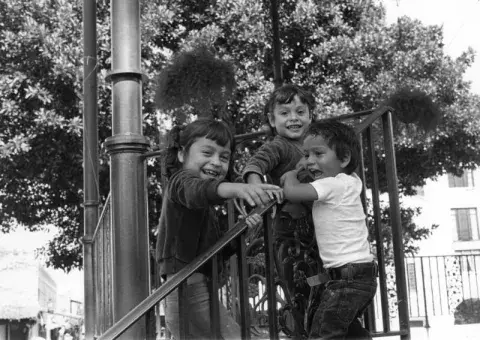
Children playing in the Plaza
Children playing in the Plaza, [1980]. Photo credit: William Reagh Collection

La amabilidad implica inclusión. Mientras los niños vean a las personas de forma diferente a ellos, como "otros", y menos aún, la exclusión se convertirá en una experiencia dolorosa para muchos. Ningún padre o cuidador quiere ser el blanco de la discriminación y escuchar que su hijo fue excluido, o viceversa. Por lo tanto, los niños necesitan aceptar que todos son seres humanos, sin importar sus diferencias.

“Si no tenemos paz, es porque hemos olvidado que nos pertenecemos unos a otros.” —Madre Teresa
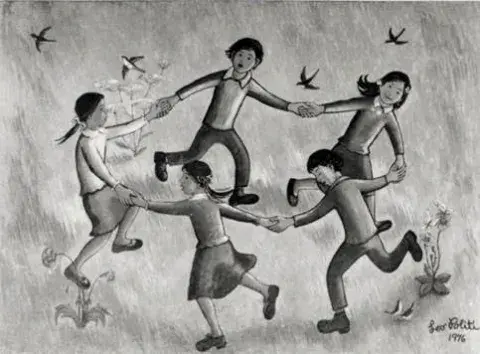
Mural of children playing ring around the rosy by Leo Politi
Mural of children playing ring around the rosy by Leo Politi, at Castelar Elementary School, near the entrance, [1983]. El Pueblo Monument Photo Collection

Los niños tienen múltiples plataformas para practicar actos de bondad. Esto puede ocurrir tanto en el mundo virtual como en la interacción presencial. Aquí tienes una lista de recursos que fomentan la bondad al interactuar con los demás.


Lista de libros para fomentar la bondad


Cover image for The Seed of Compassion

The Seed of Compassion

Imagine being a small child and being selected to be the 14th Dalai Lama. His Holiness the Dalai Lama shares with children his upbringing and experiences demonstrating lessons of kindness and compassion throughout his life.

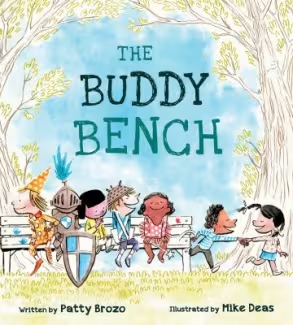
Cover image for The Buddy Bench

The Buddy Bench

Sometimes kids are so busy playing they don’t notice the child who is sitting alone. In this delightful picture book, a group of kids suggest to their teacher to implement a “Buddy Bench,” so no child will be excluded. The bench becomes a place where excluded kids send a nonverbal message they want an invitation to play. This wonderful idea has been implemented in school playgrounds over the United States and Germany.

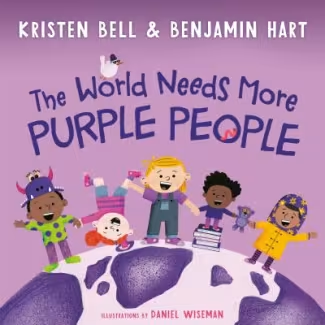
Cover image for The World Needs More Purple People

The World Needs More Purple People

A purple person would definitely be noticed in a crowd. Authors Kristin Bell and Benjamin Hart, use the color purple to explore that we are all individuals and, therefore, different from each other. However, despite our differences, as humans we share more in common than realized.

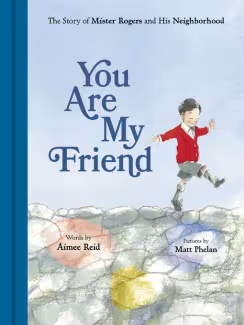
You Are My Friend

You Are My Friend

Fred Rogers' gentle ways demonstrated to young children that kindness and compassion were accessible and achievable. Mr. Rogers grew up a sickly child and learned about kindness when he was encouraged by his family to embrace the “helpers,” in his neighborhood. Knowing what exclusion felt like, Mr. Rogers transformed children’s programming by relaying kindness, and gentleness to his young audience. Author Aimee Reid’s tribute celebrates Fred Rogers' life and his mission to make the world a kinder place.

I Am Kind Online

I Am Kind Online

This guide explains to young Internet users how to be good digital citizens. The author covers topics such as cyberbullying, including others, and thinking before sending an unkind message.

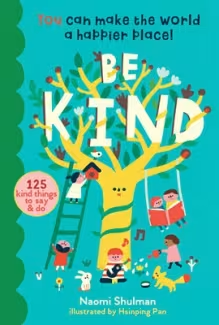
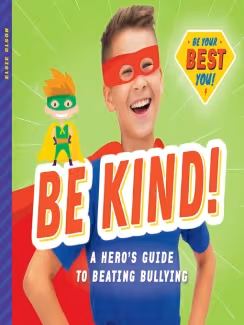
Be Kind!

Be Kind!

This title offers kids the tools they need to stop bullying in its tracks, The author provides a list referred to as “super powers,” such as compassion, empathy, and good deeds. In addition, kids learn through choices and actions employed, they are empowered to help others experiencing bullying behavior.