Entendiendo a Albert Camus; novelista, dramaturgo y filósofo


El 7 de noviembre de 1913 es la fecha del nacimiento de Albert Camus, uno de los escritores y filósofos más importantes del siglo XX.
Nacido en Argel en el seno de una familia pobre, Camus salió de la pobreza con la ayuda de un profesor para asistir a la Universidad de Argel. Pasó los años de la guerra en París, donde fue miembro de la Resistencia Francesa y editor de un periódico clandestino, Combat .
Aunque a menudo se le considera existencialista, la escuela filosófica que examina la existencia y la búsqueda del hombre de posibles significados para la vida, Camus prefería el término absurdista, la creencia de que la realidad es irracional y carente de sentido. Su novela de 1942, El Extranjero , transmitió la filosofía de Camus sobre lo absurdo y la alienación de la vida moderna. El novelista ganó el Premio Nobel de Literatura en 1957, siendo el segundo más joven en recibir ese prestigioso galardón, a los 44 años. Camus también participó activamente en política como miembro de la izquierda que se oponía a Joseph Stalin y a la Unión Soviética por su totalitarismo.
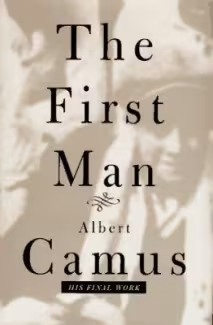
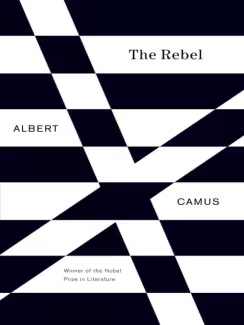
Camus falleció en un accidente automovilístico en 1960. Su última novela, El primer hombre —un relato autobiográfico—, no se publicó hasta la década de 1990. La obra de Camus es variada y requiere años de estudio para comprenderla y apreciarla plenamente. Aquí tienes algunos títulos imprescindibles de Camus para celebrar su nacimiento.