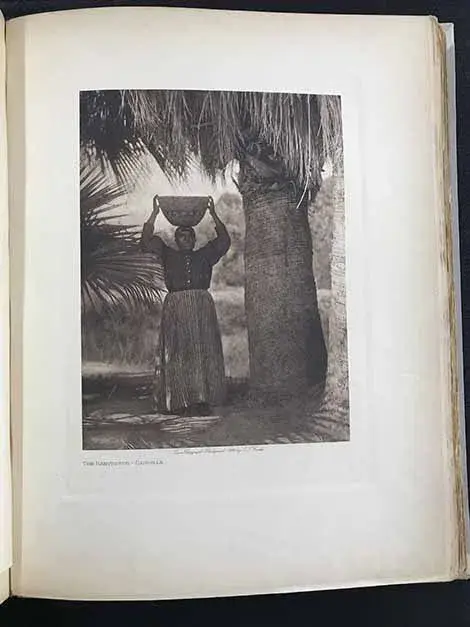
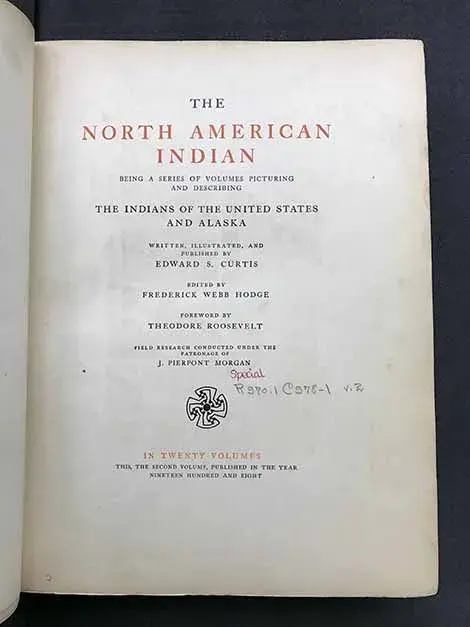
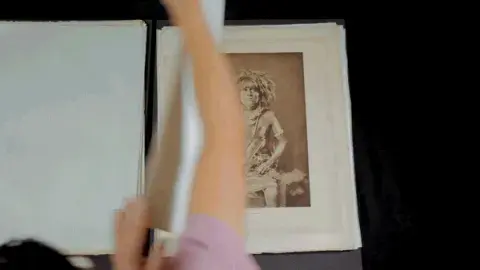
Si no está familiarizado con la obra maestra de Edward S. Curtis,Indígena norteamericano: deberías pasar por el Departamento de Libros Raros de la Biblioteca Central para quedar maravillado con esta primera edición, un conjunto de veinte volúmenes (acompañada de láminas de fotograbado de gran tamaño), publicada entre 1907 y 1930. La obra de Curtis mantiene su importancia como contribución a la historia y la cultura de los nativos americanos, dejando de lado las controversias. Esto no significa que la obra carezca de defectos.
Este fotógrafo autodidacta y pionero estaba decidido a documentar las prácticas culturales tradicionales norteamericanas que, según él, se veían amenazadas por la Política Federal Indígena antes de que fuera demasiado tarde. Cuando Curtis comenzó su proyecto, la era de la asignación y asimilación de tierras bajo la Política Federal Indígena estaba en pleno apogeo. Las ceremonias tradicionales y otras prácticas estaban prohibidas. Los niños eran enviados a internados donde se les prohibía hablar sus lenguas maternas y se les cortaba el pelo.
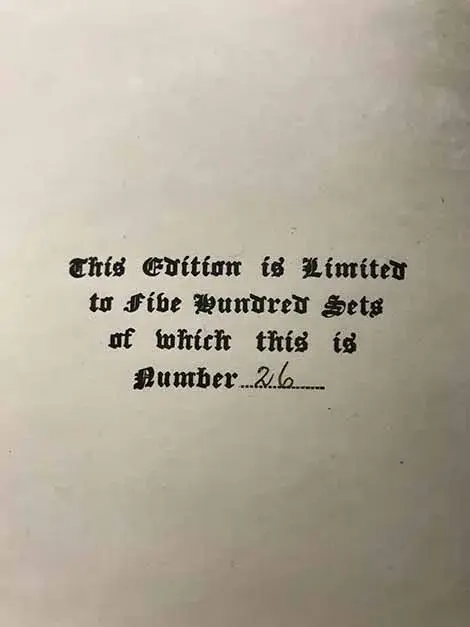
Theodore Roosevelt se topó con los retratos del fotógrafo de Seattle y fue invitado a fotografiar a la familia. Curtis le explicó su idea de documentar las tradiciones indígenas. Roosevelt se mostró animado y, siguiendo su sugerencia, contactó con JP Morgan para obtener financiación para el proyecto de sus sueños. Morgan ofreció 75.000 dólares (15.000 dólares al año durante 5 años) a cambio de veinticinco colecciones de los volúmenes (la Biblioteca Pública de Los Ángeles posee la colección n.º 26). Los volúmenes se ofrecieron mediante suscripción de 3.000 dólares en 1906. Entre los primeros suscriptores se encontraban Eduardo VII, Andrew Carnegie, Alexander Graham Bell, Frederick William Vanderbilt y Henry E. Huntington. Con el desorbitado coste de la suscripción, Curtis se enfrentó a la primera de una serie de contradicciones: su obra, que retrataba sociedades oprimidas, estaría dirigida a una élite de mecenas.
En el campo, se enfrentó a nuevas contradicciones. Algunos grupos con los que se encontró estaban en proceso de asimilación y no vivían su vida cotidiana de forma tradicional. Los trajes tradicionales, ahora reservados para ocasiones especiales, fueron rescatados para la cámara de Curtis, al igual que las ceremonias y los bailes. Ciertas prácticas también tenían prohibido ser grabadas o presenciadas por forasteros: una danza navajo se realizaba "al revés" para que se considerara aceptable para la grabación. Curtis también añadió romanticismo a sus fotos escenificadas y eliminó los rastros de la tecnología moderna. Situaciones y acciones intencionales como estas pusieron en duda la autenticidad de las fotografías. Sin embargo, Curtis estaba capturando lo que sabía que estaba desapareciendo y lo veía como una causa que valía la pena perseguir.
El proyecto, que se había planificado para cinco años, se convirtió en una saga de treinta. Tras la muerte de JP Morgan, el poco dinero que Curtis recibió se destinó a su trabajo. Durante los últimos diecisiete años del proyecto, no recibió remuneración alguna. Curtis declaró que el proyecto era el trabajo de su vida y que era el único que sabía que valía la pena realizar.
La continua importancia de la obra de Curtis se atribuye a la magnitud del proyecto y a la cantidad de grupos representados en sus impactantes imágenes. Antes de la publicación de los volúmenes, pocas personas comprendían la diversidad y complejidad de las culturas indígenas americanas, y pocas las habían visto representadas con dignidad y sofisticación. Las imágenes de Curtis han inspirado a nuevas generaciones de indígenas americanos a reavivar y preservar tradiciones olvidadas.
Edward S. Curtis se mudó a Los Ángeles a principios de la década de 1920 y vivió allí hasta su muerte en 1952.
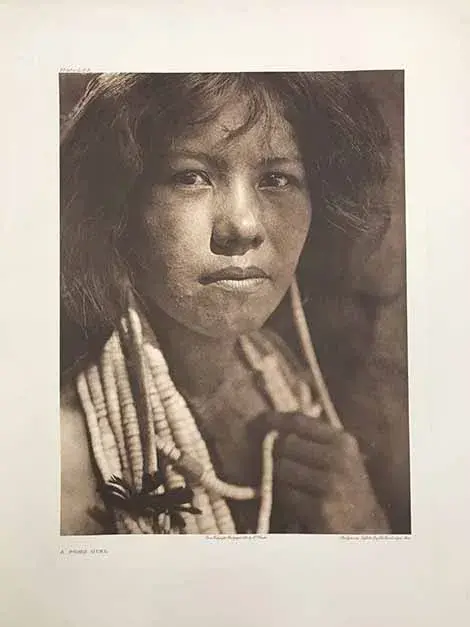
Las siguientes láminas de The North American Indian muestran individuos de grupos de toda California.
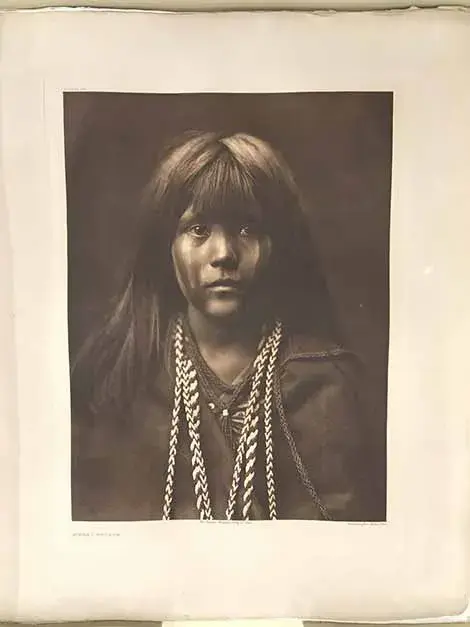
Plate 61 Mosa-Mohave
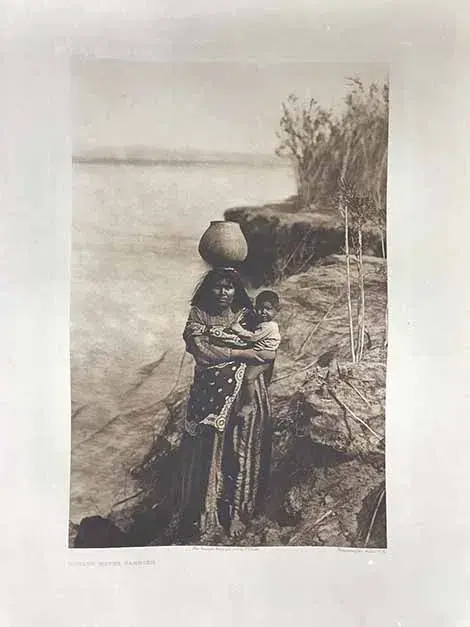
Plate 58 Mohave Water Carrier
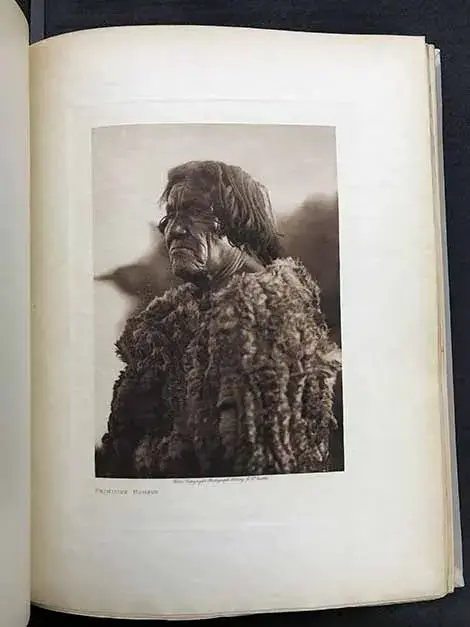
Volumen 2, pág. 50 Mohave primitivo (Las descripciones en los volúmenes reflejan el centrismo euroamericano de la época).
Volume 2, pg 50 Primitive Mohave (Descriptions in the volumes reflect the Euro-American centrism of the time). Volume 2, pg. 60 Chacha - Mohave Plate 523 Andres Canyon
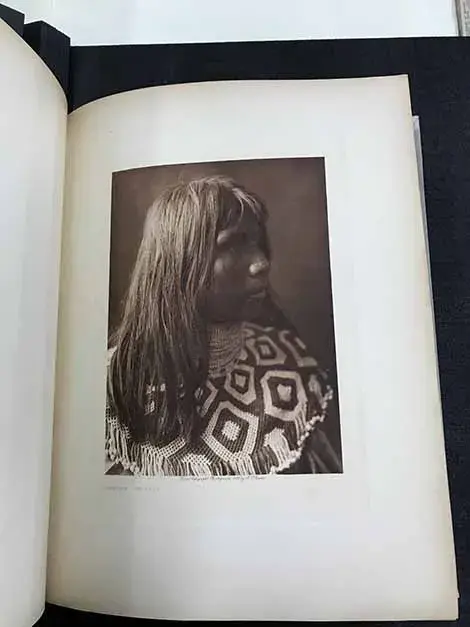
Volumen 2, pág. 60 Chacha - Mohave
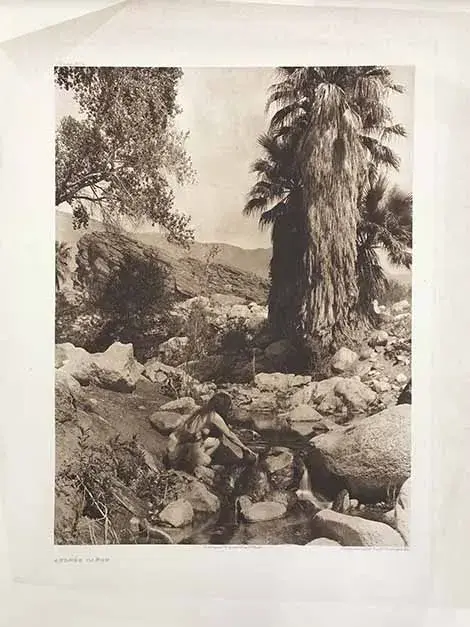
Volume 2, pg 50 Primitive Mohave (Descriptions in the volumes reflect the Euro-American centrism of the time). Volume 2, pg. 60 Chacha - Mohave Plate 523 Andres Canyon
Placa 523 Cañón de Andrés
Volume 2, pg 50 Primitive Mohave (Descriptions in the volumes reflect the Euro-American centrism of the time). Volume 2, pg. 60 Chacha - Mohave Plate 523 Andres Canyon
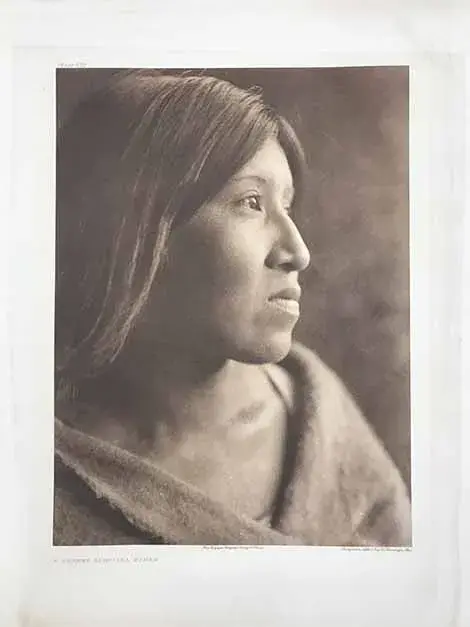
Plate 522 A Desert Cahuilla Woman
Lámina 522 Una mujer cahuilla del desierto
Plate 522 A Desert Cahuilla Woman
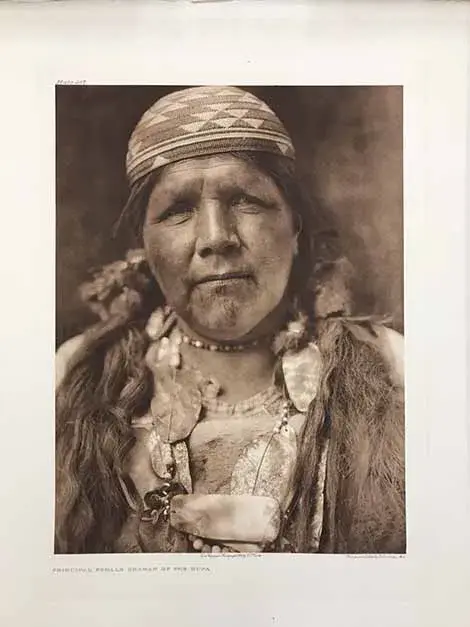
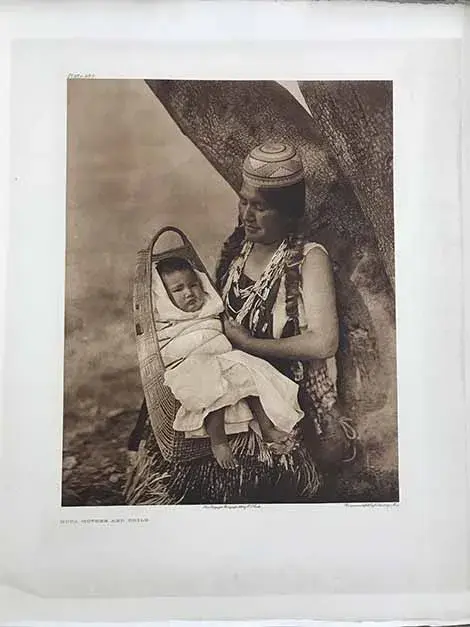
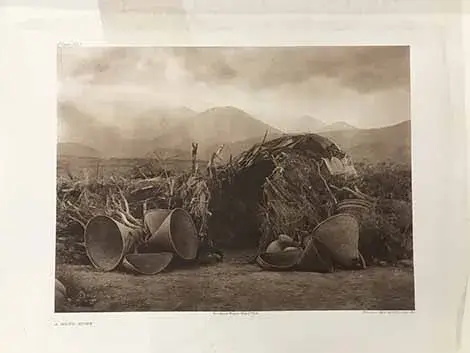
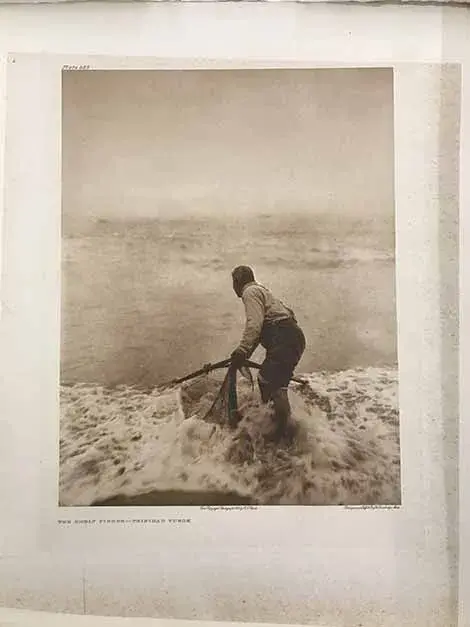
Plate 467 Principal Female Shaman of the Hupa Plate 450 Hupa Mother and ChildPlate 533 Mono Home Plate 469 Smelt Fisher--Trinidad Yurok Plate 449 Klamath Warrior’s Head-DressPlate 436 Klamath WomanIn 1906, Anna McConnell Beckley, Principal Librarian of the Reference Department at the Los Angeles Public Library, secured the subscription to Edward S. Curtis’s monumental work, The North American Indian at a cost of $3000.The first two volumes (with accompanying plates) arrived at LAPL in 1908. Consecutive volumes arrived over the next 22 years of the volumes' publications (1907-1930).LAPL owns set number 26 of an intended 500 copy run.
Lámina 467 Chamán principal femenina de Hupa
Plate 467 Principal Female Shaman of the Hupa Plate 450 Hupa Mother and ChildPlate 533 Mono Home Plate 469 Smelt Fisher--Trinidad Yurok Plate 449 Klamath Warrior’s Head-DressPlate 436 Klamath WomanIn 1906, Anna McConnell Beckley, Principal Librarian of the Reference Department at the Los Angeles Public Library, secured the subscription to Edward S. Curtis’s monumental work, The North American Indian at a cost of $3000.The first two volumes (with accompanying plates) arrived at LAPL in 1908. Consecutive volumes arrived over the next 22 years of the volumes' publications (1907-1930).LAPL owns set number 26 of an intended 500 copy run.
Lámina 450 Hupa Madre y Niño
Plate 467 Principal Female Shaman of the Hupa Plate 450 Hupa Mother and ChildPlate 533 Mono Home Plate 469 Smelt Fisher--Trinidad Yurok Plate 449 Klamath Warrior’s Head-DressPlate 436 Klamath WomanIn 1906, Anna McConnell Beckley, Principal Librarian of the Reference Department at the Los Angeles Public Library, secured the subscription to Edward S. Curtis’s monumental work, The North American Indian at a cost of $3000.The first two volumes (with accompanying plates) arrived at LAPL in 1908. Consecutive volumes arrived over the next 22 years of the volumes' publications (1907-1930).LAPL owns set number 26 of an intended 500 copy run.
Placa 533 Mono Home
Plate 467 Principal Female Shaman of the Hupa Plate 450 Hupa Mother and ChildPlate 533 Mono Home Plate 469 Smelt Fisher--Trinidad Yurok Plate 449 Klamath Warrior’s Head-DressPlate 436 Klamath WomanIn 1906, Anna McConnell Beckley, Principal Librarian of the Reference Department at the Los Angeles Public Library, secured the subscription to Edward S. Curtis’s monumental work, The North American Indian at a cost of $3000.The first two volumes (with accompanying plates) arrived at LAPL in 1908. Consecutive volumes arrived over the next 22 years of the volumes' publications (1907-1930).LAPL owns set number 26 of an intended 500 copy run.
Placa 469 Pescador fundido--Trinidad Yurok
Plate 467 Principal Female Shaman of the Hupa Plate 450 Hupa Mother and ChildPlate 533 Mono Home Plate 469 Smelt Fisher--Trinidad Yurok Plate 449 Klamath Warrior’s Head-DressPlate 436 Klamath WomanIn 1906, Anna McConnell Beckley, Principal Librarian of the Reference Department at the Los Angeles Public Library, secured the subscription to Edward S. Curtis’s monumental work, The North American Indian at a cost of $3000.The first two volumes (with accompanying plates) arrived at LAPL in 1908. Consecutive volumes arrived over the next 22 years of the volumes' publications (1907-1930).LAPL owns set number 26 of an intended 500 copy run.
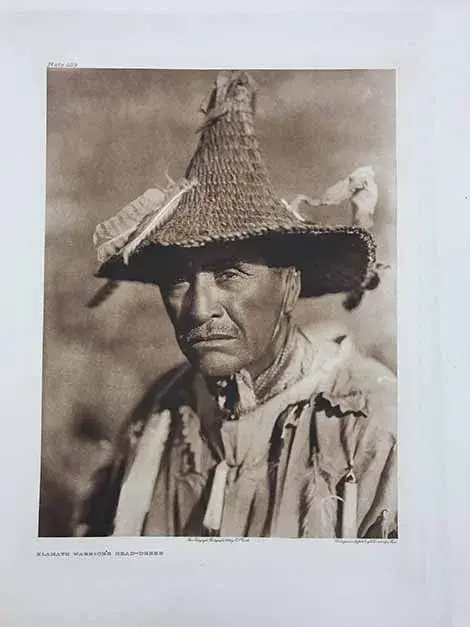
Lámina 449 Tocado del guerrero Klamath
Plate 467 Principal Female Shaman of the Hupa Plate 450 Hupa Mother and ChildPlate 533 Mono Home Plate 469 Smelt Fisher--Trinidad Yurok Plate 449 Klamath Warrior’s Head-DressPlate 436 Klamath WomanIn 1906, Anna McConnell Beckley, Principal Librarian of the Reference Department at the Los Angeles Public Library, secured the subscription to Edward S. Curtis’s monumental work, The North American Indian at a cost of $3000.The first two volumes (with accompanying plates) arrived at LAPL in 1908. Consecutive volumes arrived over the next 22 years of the volumes' publications (1907-1930).LAPL owns set number 26 of an intended 500 copy run.
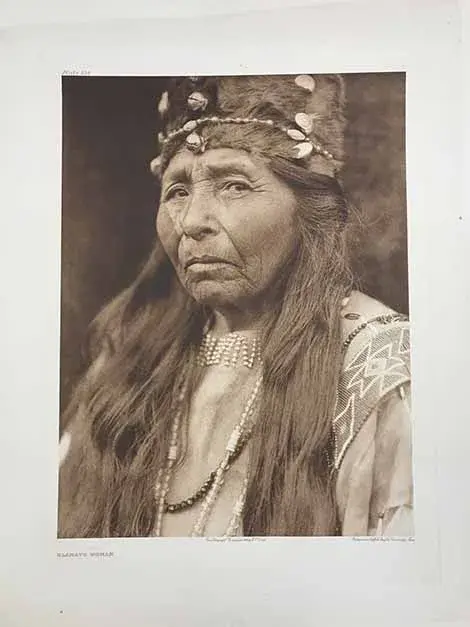
Lámina 436 Mujer de Klamath
Plate 467 Principal Female Shaman of the Hupa Plate 450 Hupa Mother and ChildPlate 533 Mono Home Plate 469 Smelt Fisher--Trinidad Yurok Plate 449 Klamath Warrior’s Head-DressPlate 436 Klamath WomanIn 1906, Anna McConnell Beckley, Principal Librarian of the Reference Department at the Los Angeles Public Library, secured the subscription to Edward S. Curtis’s monumental work, The North American Indian at a cost of $3000.The first two volumes (with accompanying plates) arrived at LAPL in 1908. Consecutive volumes arrived over the next 22 years of the volumes' publications (1907-1930).LAPL owns set number 26 of an intended 500 copy run.
En 1906, Anna McConnell Beckley, bibliotecaria principal del Departamento de Referencia de la Biblioteca Pública de Los Ángeles, consiguió la suscripción a la obra monumental de Edward S. Curtis, The North American Indian, a un costo de 3000 dólares. Los dos primeros volúmenes (con las láminas correspondientes) llegaron a la LAPL en 1908. Volúmenes consecutivos llegaron durante los siguientes 22 años de publicaciones de los volúmenes (1907-1930).
Plate 467 Principal Female Shaman of the Hupa Plate 450 Hupa Mother and ChildPlate 533 Mono Home Plate 469 Smelt Fisher--Trinidad Yurok Plate 449 Klamath Warrior’s Head-DressPlate 436 Klamath WomanIn 1906, Anna McConnell Beckley, Principal Librarian of the Reference Department at the Los Angeles Public Library, secured the subscription to Edward S. Curtis’s monumental work, The North American Indian at a cost of $3000.The first two volumes (with accompanying plates) arrived at LAPL in 1908. Consecutive volumes arrived over the next 22 years of the volumes' publications (1907-1930).LAPL owns set number 26 of an intended 500 copy run.
LAPL posee el set número 26 de una tirada prevista de 500 copias.
Los artículos de la Sala de Libros Raros solo se pueden ver con cita previa. Para programar una cita, visite nuestra página o llame al (213) 228-7350.
Here is the author Rudy Ruiz, showing other photogravure plates within The North American Indian volume set by Edward S. Curtis.